Post-operative instructions
Post-operative instructions from the clinic

After brackets are placed
Diet
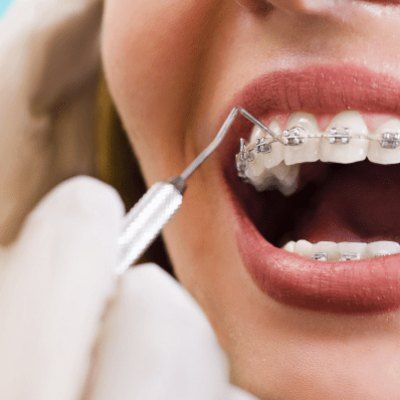
- In the first few days after brackets are placed, a new appliance is fitted or wires are changed, teeth often become sensitive. A soft diet is then recommended.
- Throughout the treatment, it is very important to avoid hard and sticky foods (gum, almonds, popcorn, etc.), as they can break the appliances or loosen brackets. Apples and carrots should be cut into small pieces.
Injuries
- If a bracket hurts you, cover it with wax to help it heal.
- A wire poking into your cheek will need to be cut. Until we can see you, as soon as possible, apply wax for relief.
- For any breakage or information, contact us.
After a root canal treatment
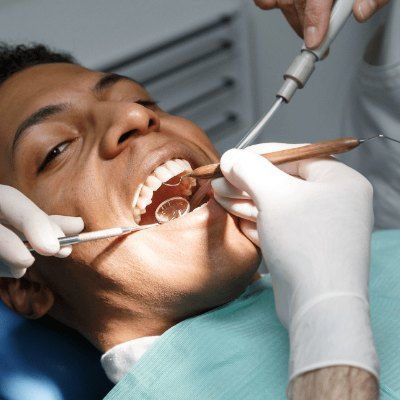
The instructions are the same after both root canal appointments.
There should be no pain after your appointment, but sensitivity when chewing is normal. If needed, you can avoid chewing on that tooth for a few days or until the symptom disappears.
If swelling occurs, contact us.
After a tooth extraction
- After the procedure and before the anesthetic wears off, take a painkiller as directed by your dentist.
- A little bleeding is normal. If you bleed a lot, apply firm pressure on the area with damp gauze for 20 to 30 minutes (repeat as needed).
- On the first day, apply ice to your jaw for 10 minutes every hour, for 6 hours.
- Eat only soft, nutritious foods you can chew without much difficulty, such as milk, puréed vegetables, cream soups, gelatin (Jell-O), yogurt, applesauce, pasta and eggs.
- Rinse your mouth after meals and before bed for about a week after the surgery. Sleep with your head raised.
- Take your medication as directed.
- Take time to rest and relax.
- Do not touch the wound with your tongue or a toothbrush. Avoid chewing on that side.
- Avoid eating or drinking until the anesthetic has completely worn off. Do not use a straw, as the suction can damage the area and delay healing.
- Do not smoke for 24 to 48 hours after an extraction.
- Avoid very hot or very cold foods and drinks.
- Do not drink alcohol for a week after the surgery.
- Avoid bending over, activities that require you to lean your head forward, and physical exertion.
- Avoid rinsing your mouth or brushing your teeth for 24 hours after the procedure.
- Avoid salty and spicy foods.
After a gum graft
- Take the painkiller suggested by your dentist as recommended. If the pain is too intense, apply cold for 15 minutes every hour.
- Do not touch the dressing and avoid putting your tongue on the treated areas.
- You can use a salt-water mouth rinse twice a day (morning and evening) after the first 24 hours following the graft. Do not gargle vigorously; just bathe your mouth gently.
- Do not smoke. Tobacco slows healing and increases the risk of infection.
- Avoid alcohol and caffeine for the first 24 hours.
- Light bleeding from the treated site (palate) is normal in the first 24 hours and will tint your saliva pink. If the bleeding continues, apply moderate pressure with a damp cotton pad for 10 minutes. If the graft itself is bleeding, press directly on the cheek or lip over the treated area.
- Avoid intense physical activity for the next 2 to 3 days. You can, however, continue your normal activities.
- A soft diet is recommended for the first 24 hours. You can then return to a semi-soft to normal diet. Avoid very hard, very salty, spicy or acidic food.
- Post-operative swelling can be reduced by applying ice to the cheek or lip over the treated site as soon as you get home. After 24 hours, heat is recommended if the swelling persists.
- If a periodontal dressing is placed on the treated site, it should stay in place for the coming week. It will then be removed along with the stitches. However, if it becomes loose, remove it and simply be careful not to injure the site.
- Use your toothbrush and floss gently near the treated site and normally elsewhere in your mouth.
- Post-operative complications are rare, but if a problem arises, do not hesitate to contact us.
After a filling
There should be no complications after a filling (unless your dentist told you otherwise), but you may feel cold or heat sensitivity in the following days. If you feel discomfort when chewing, an adjustment may be needed. If so, contact us.

During whitening
Tooth sensitivity sometimes occurs during whitening. We then recommend spacing out the treatments and/or wearing the trays for less time. A desensitizing toothpaste can also help control this discomfort.
If your gums become red and sensitive, there is too much product in the trays. Rinse with salt water several times a day and wait until they have fully healed before resuming the treatment.
You do not have to complete the whole treatment. Once you are happy with the colour, you can stop and keep the product in the refrigerator for a later touch-up.
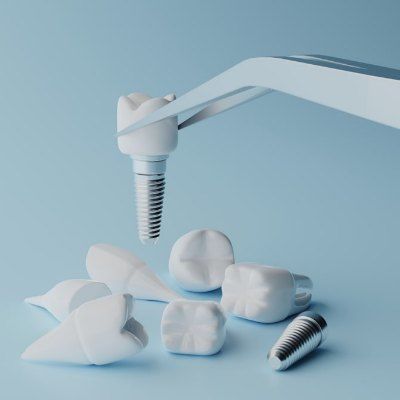
Dental implant placement
To make you as comfortable as possible and increase the chances of success of your dental implants, here are our recommendations:
Ice
To limit tissue inflammation after oral surgery, we recommend applying ice to the surgical site during the first hours after surgery. Apply ice to your cheek for about 10 minutes every hour for the first 24 hours.
Pain
You have been prescribed medication to relieve pain. Take it as directed on the container for at least 24 hours.
If the prescribed painkillers (possibly ibuprofen + Decadron) do not relieve the pain enough, we recommend also taking acetaminophen. The combination of the two is very effective. Alternate them, so that every 2 to 3 hours you take one (Advil) and then the other (Tylenol). Respect the maximum daily doses. If the pain remains strong despite the medication, contact us.
Antibiotics
Start the antibiotics, as recommended by Dr. Gagnon, on the day of the surgery. It is very important to finish them, as they prevent infection of the surgical site. If you have concerns or unusual reactions, do not hesitate to contact us or your pharmacist.
Bleeding
Light bleeding is normal for a few hours. If the bleeding is heavier, apply pressure on the wound by biting on cotton (gauze) for about 15 minutes. You can also use a tea bag instead of cotton, as it speeds up clotting. Avoid spitting and drinking through a straw.
Physical activity
To avoid increasing blood circulation, and with it pain and swelling, we recommend avoiding strenuous physical activity for 48 hours after the surgery.
Swelling and bruising
Although relatively rare, swelling depends on the surgery performed and on each person’s reaction. Bruising is possible and not serious. Swelling and bruising often cause some tenderness.
Diet
It is important to eat on the day of your surgery to help you tolerate the medication. Start with a more liquid diet if you are still under the effect of the anesthetic (Ensure, Boost), then continue with soft foods for the first few days (omelette, muffin, poached fish, pasta, etc.).
Oral hygiene
First 24 hours: gargling. Avoid gargling, as it could dislodge the blood clot and cause bleeding.
From 24 hours after the surgery: rinse your mouth only with the mouthwash prescribed by Dr. Gagnon (twice a day for 7 days). After 7 days, continue with lightly salted water.
Start cleaning around your implants 4 to 5 days after the surgery. Make small circular movements with a soft-bristled toothbrush. If you notice slight inflammation or tenderness of the tissue around the healing caps, keep brushing gently: the gum will firm up.
Healing
A few stitches are often needed. The suture thread is resorbable, but the dentist may remove it 2 weeks after the surgery. A whitish film may form around your abutments and the scar. This is normal and will fade within a few weeks.
Healing caps
In the first days, the gum may swell and cover the healing caps. Over the following days, the gum will settle back. The healing caps could come unscrewed. If that happens, it will have no effect on your implants. However, it could be uncomfortable and we prefer to put them back in place, so call us!