

Every structure of the mouth is vulnerable in its own way. This is the case of the temporomandibular joints (TMJ), the tissues connecting the lower jaw to the skull that let the mouth make the movements needed for its main functions. These joints can sometimes become painful, a disorder that usually results from an imbalance.
The dentists at Clinique dentaire Saint-Étienne have the skills to diagnose the causes of TMJ pain and suggest solutions to relieve it.
What are the TMJ, and why are they sometimes painful?
The mouth performs many functions essential to life: it lets us eat and communicate. To do so, it must be able to open, close and move from side to side. This is made possible by the temporomandibular joints (TMJ), which include many tissues connecting the skull to the lower jaw: muscles, blood vessels, nerves, tendons and articular discs. The discs play a crucial role by absorbing the pressure from the repeated movements of the mouth. That is also what makes them vulnerable: they are prone to imbalances that cause disorders (clicking, fatigue and facial pain).

The reasons behind TMJ pain
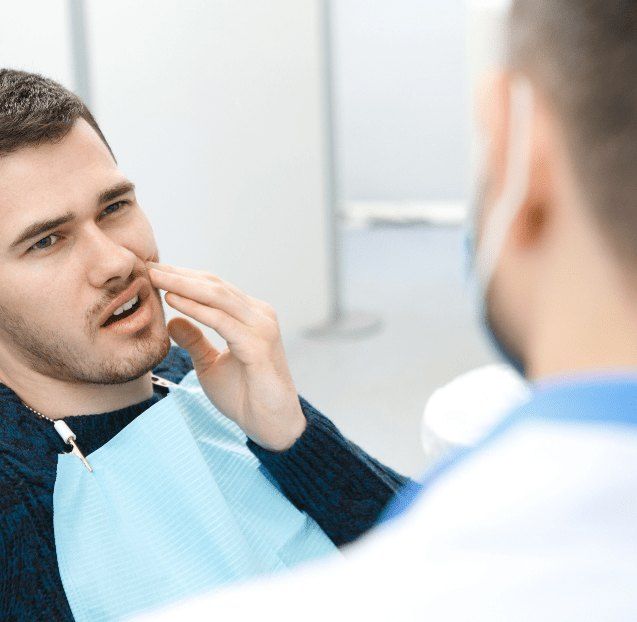
TMJ pain usually stems from TMJ disorders, which are often caused by a misaligned articular disc. This problem, which particularly affects women aged 20 to 50, can have several causes:
- Bruxism (night-time tooth grinding), an involuntary habit that puts undue pressure on the articular discs;
- Jaw tension caused by stress and anxiety;
- Imbalances in the teeth due to gaps;
- Bite problems (deep bite, underbite, malocclusion) leading to joint imbalances;
- Arthritis or osteoarthritis;
- Damage to or displacement of the articular discs caused by a blow or impact to the mouth.
TMJ pain: a few more things to know
Facial pain: talk to us about it!
During the routine exam, the dentist checks the condition and function of the temporomandibular joints. X-rays may be taken to see the inner structures of the joints. It is also important to mention your symptoms (facial pain, clicking sounds, etc.).
TMJ disorders: solutions exist!
If TMJ disorders are found, we will suggest a solution to reduce them. This may include physiotherapy and painkillers. In some cases, we prefer to treat the TMJ disorder itself, for example with orthodontic treatment or disc realignment surgery.
Relieving facial pain by tackling bruxism
Facial pain is often linked to bruxism. In that case, your dentist may suggest a night guard. This simple appliance worn at night helps relax the jaw muscles and so reduce the pressure on the articular discs that causes the imbalances behind TMJ disorders.